Fresh Out of the Oven at Cuban Bakery Aurora CO
@archervlux644
October 29, 2026 · 15 min read
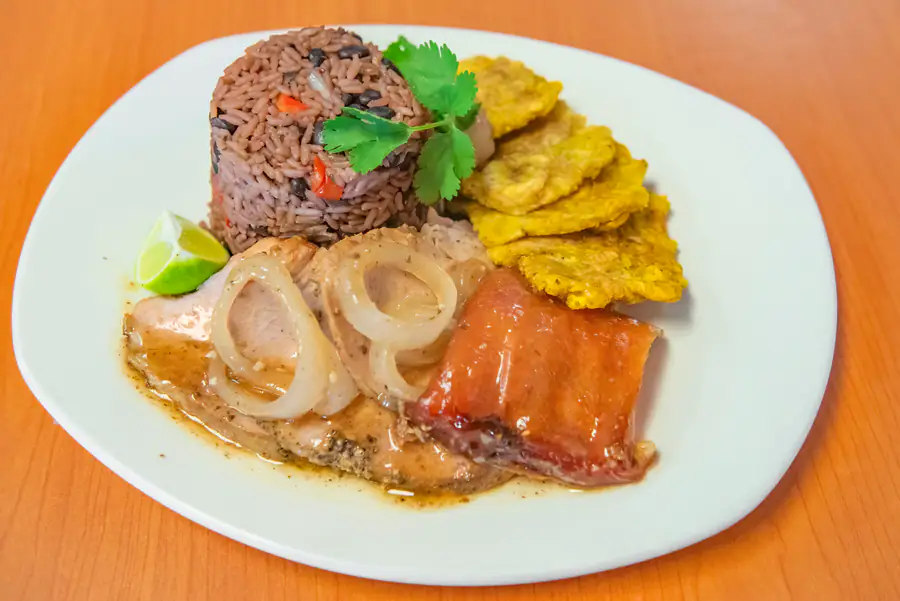
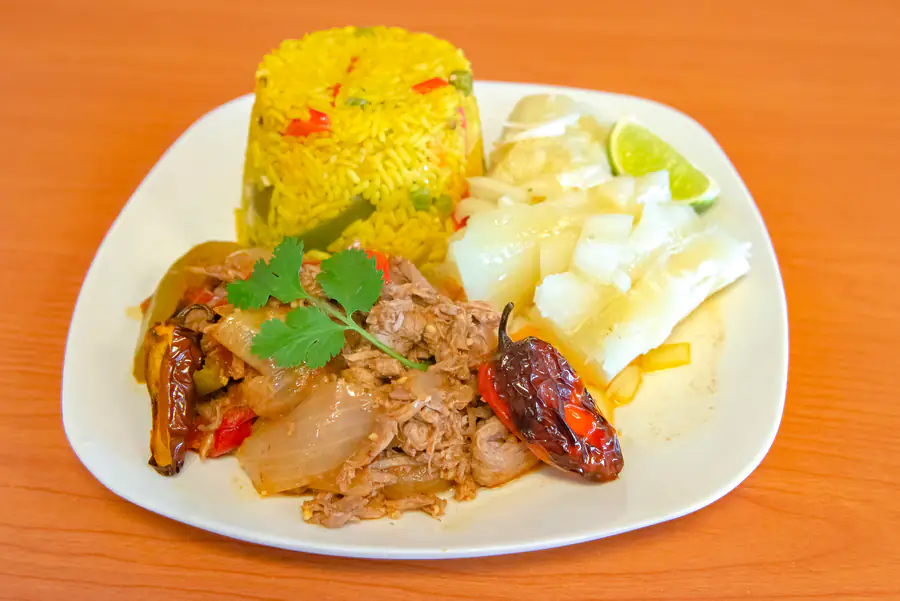
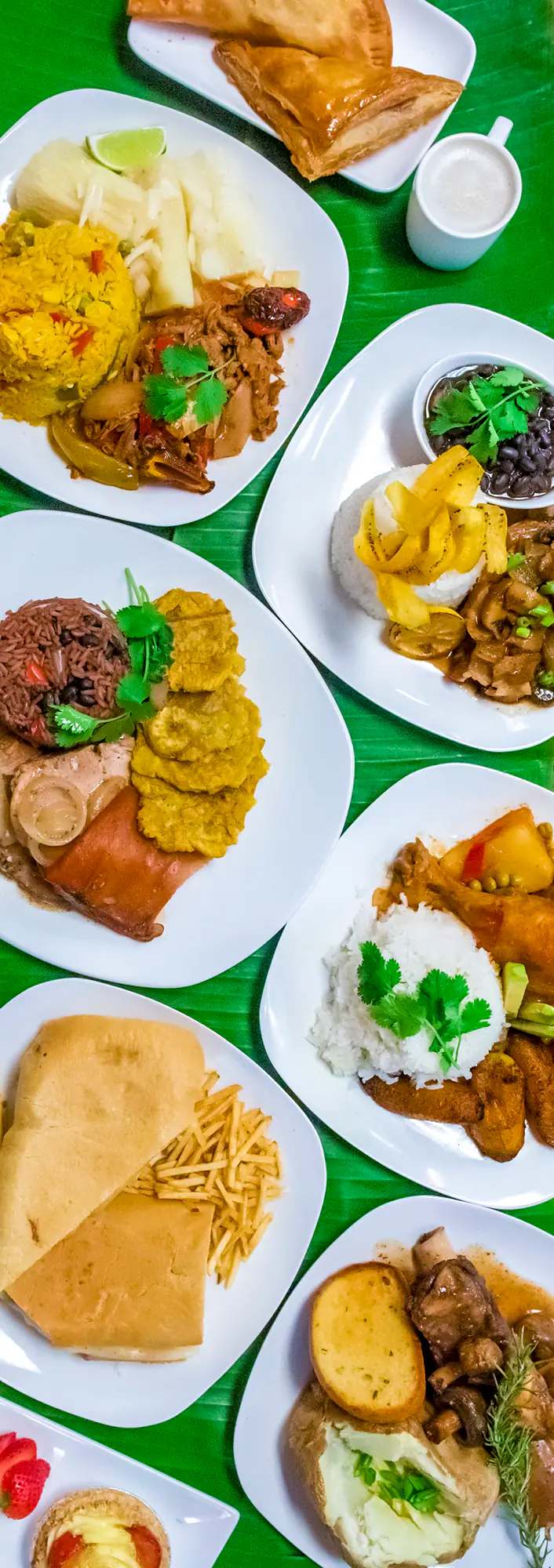
The first thing that gives a good bakery away is not the sign out front. It is the smell that meets you at the door, warm butter, toasted flour, sugar just beginning to caramelize, and coffee strong enough to wake up a whole block. At a Cuban bakery in Aurora, CO, that first impression matters because freshness is not a marketing line. It is the difference between a pastry that crackles under your fingers and one that falls flat, between bread that still releases steam when torn open and bread that feels like it has been waiting too long.
Aurora has the kind of food scene that rewards curiosity. You can eat your way through neighborhoods, finding family-run counters, specialty markets, and bakeries that serve communities who know exactly how things should taste. A Cuban bakery fits naturally into that landscape. It offers more than sweets in a display case. It brings together bread baking, savory snacks, coffee culture, and the social ritual of dropping in for something quick that somehow still feels substantial.
Freshness, in this setting, is not only about temperature. It is about timing, technique, and restraint. The baker has to know when a tray needs another minute and when one extra minute will dry it out. The person at the counter has to move quickly enough that a rush does not compromise quality. The customer often learns, after a few visits, that there is a sweet spot in the day for certain favorites. Some items are best in the early morning. Others hit their stride closer to lunch, when a second wave comes out of the oven.
What makes a Cuban bakery distinct
People sometimes reduce Cuban baking to a few familiar names, guava pastries, Cuban bread, croquettes, café cubano. Those are important, but they only tell part of the story. A Cuban bakery operates at the crossroads of several traditions. There are Spanish influences in the pastry case, Caribbean influences in flavor and texture, and the practical logic of a neighborhood bakery that has to feed people from breakfast through late afternoon.
That blend shows up in the range of items you might see in a single visit. There may be flaky pastries filled with guava paste, cream cheese, coconut, or custard. There may be savory options that need no explanation once you smell them, ham croquettes, meat-filled pastries, and sandwiches pressed hot enough to crisp the bread without drying the interior. There is often a rhythm to the menu. Sweet and savory sit side by side because that is how people actually eat. A strong coffee and a buttery pastry make sense at 8 a.m. A Cuban sandwich and a café con leche make equal sense at noon.
At a well-run Cuban bakery Aurora CO visitors notice one more thing quickly: the food is meant to be eaten, not merely admired. Display matters, but these are working foods. Pastries should survive a short car ride without collapsing. Bread should hold up to pressed sandwiches. Fillings should be generous without making the crust soggy. That practical intelligence is one of the pleasures of bakeries like this. They know what regulars need.
The case for arriving early
Anyone who has spent time around serious bakeries knows that “fresh out of the oven” is a moving target. It does not always mean the exact minute something emerges. In many cases, the best eating window opens after a short rest. A pastry needs a little time for the layers to settle. Bread often slices better after it cools slightly. A croquette benefits from a brief pause that lets the crust set.
Still, there is no question that timing changes the experience. Early in the day, the pastry case feels especially alive. The tops of pastelitos still shine. Sugar catches the light differently on a warm surface. Bread has that subtle resilience that tells you it was baked recently, firm enough to hold shape, soft enough to yield at the center. If you are going specifically for baked goods rather than a full meal, morning is usually the safest bet.
That said, lunch can be just as rewarding for a different reason. The savory side of the bakery comes into focus. Sandwiches move fast. Hot items turn over. The bakery reveals itself not as a quaint stop for sweets, but as a working kitchen serving people on their break, families running errands, and regulars who already know what they want before they park.
Cuban bread is never just bread
If there is one item that tells you whether a bakery understands its craft, it is the bread. Cuban bread looks simple until you try to get it right. The crust should be delicate, not tough. The inside should be airy without feeling empty. It needs enough structure for a pressed sandwich but enough tenderness that it does not fight back when bitten.
Fresh Cuban bread carries a particular pleasure that packaged bread never touches. Tear into a loaf while it is still close to warm and you get a contrast that explains why so many people become loyal to a bakery over bread alone. The crust gives a light snap, then the interior compresses softly and springs back. Add butter and coffee and you have breakfast. Add roast pork, ham, pickles, mustard, and Swiss cheese and you have lunch.
This is where freshness becomes tangible. Bread that is even a few hours past its best can still be usable, especially in a pressed sandwich, but bread at its peak transforms the whole meal. The press toasts the outside, the interior holds onto moisture, and every bite feels balanced. It is not dramatic food. It is better than that. It is dependable food done well.
The pastry case and its quiet signals
A pastry case can tell you a lot before you order. Fresh items tend to show clean edges and distinct layers. Glazes look bright rather than dull. Fillings stay where they belong instead of leaking out and turning the tray sticky. Nothing should look tired. This matters in any bakery, but especially in one built around laminated or flaky doughs, where texture is the whole point.
Guava pastries are a good example. The appeal is not simply sweetness. It is contrast. The fruit has a dense, jammy quality that works because the pastry around it is light and crisp. Add cream cheese and the effect changes again, sharper, richer, less sugary than it first appears. Done right, it is a balanced bite, not a sugar bomb.
Coconut pastries can be similarly deceptive. Many people expect them to be cloying, but a good bakery keeps the sweetness in check and lets the toasted notes come through. Custard-filled pastries live or die by texture. The filling should be smooth and flavorful, with enough body to hold its own but not so much that it feels heavy. These details sound small until you eat a version that misses them. Then they become impossible to ignore.
Savory staples that deserve equal attention
It would be a mistake to walk into a Cuban bakery thinking only about dessert. Some of the most satisfying items are the savory ones, especially if the kitchen treats them with the same care as the pastry side. Croquettes should be crisp outside and creamy within, not greasy, not mealy. Stuffed pastries need filling that tastes seasoned and intentional, not like an afterthought hidden in dough.
Sandwiches often do the hardest work. A Cuban sandwich sounds straightforward, but every weak version proves otherwise. The bread can be wrong. The mustard can overwhelm. The pickles can be limp. The pressed finish can dry the meat out if the timing is off. When it all comes together, though, it becomes one of the most complete lunch foods around, salty, tangy, rich, and crisp all at once.
Medianoche sandwiches deserve mention too, especially for anyone who prefers a slightly softer, sweeter bread. The contrast between the tender roll and savory filling gives the sandwich a different personality. It is gentler than the standard Cuban in some ways, but no less satisfying. At a strong bakery, these choices feel deliberate, not redundant.
Coffee is part of the architecture
No Cuban bakery feels complete without coffee. Not coffee as a side note, but coffee as a structural element of the entire experience. The sweetness of the pastries, the salt of the sandwiches, the richness of butter and cheese, all of it lands differently with a proper café cubano or café con leche nearby.
Good Cuban-style coffee is assertive. It is meant to be. The roast, the sweetness, the concentration, they are designed to cut through richer foods and sharpen the palate. A small cup can do surprising work. It turns a quick stop into a ritual. It also changes the pace of the room. Even people in a hurry slow down for a moment when the coffee is right.
In Aurora, where dry air and long commutes can make convenience feel like the default, that pause matters. A bakery that serves excellent coffee gives people a reason to linger just long enough to remember that freshness is not only sensory. It is emotional too. Fresh food can reset a day that was headed in the wrong direction.
Why freshness matters more in Colorado than some people expect
Baking at elevation is not the same as baking at sea level. Aurora sits high enough that moisture, proofing, and oven performance can all become more finicky. Even when recipes are adapted, the environment is less forgiving. Doughs can dry out faster. Certain pastries can go from just right to overdone with little warning. Storage matters. Timing matters. Wrapping and display matter.
That is one reason a truly good Cuban bakery Aurora CO location can feel so impressive to people who bake at home. The shop is solving practical problems all day long. It has to produce tender bread and crisp pastries in a climate that can pull moisture away aggressively. It has to manage turnover so products sell in their best window. It has to know which items can be refreshed slightly and which ones simply have to be remade.
Customers do not need to know any of that to enjoy their food, but they can taste the difference when the bakery gets it right. Freshness in Colorado is not accidental. It is usually the result of disciplined production and staff who pay attention.
Ordering well without overthinking it
For first-time visitors, the biggest challenge is usually not whether the food will be good. It is deciding what to try without leaving with half the case. The safest move is to order across categories, one sweet item, one savory item, and a coffee. That gives you a better read on the bakery than buying three pastries of the same type.
A useful approach is this:
- Choose one item you already know you like, such as a guava pastry or a Cuban sandwich.
- Add one staff recommendation, especially if something came out recently.
- Pair it with coffee that matches the food, sweeter and stronger for pastries, milk-based if you want a softer contrast.
- Eat at least one item right away, while texture is still at its best.
- Save the second item for later only if it is something that travels well.
That is not a hard rule. It is simply the pattern many regulars settle into after a few visits. Fresh bakery food teaches quickly. You learn what rewards immediate attention and what can wait until you get back to the office or home.
The social side of the bakery counter
One of the lasting strengths of a neighborhood bakery is that it does not require an occasion. Fine dining asks for planning. Even casual restaurants usually ask for time. A bakery asks only that you show up hungry enough for one good choice. Because of that, bakeries often https://maps.app.goo.gl/qEESBrYZVLYNG3Gw8 become social anchors in a way larger places do not.
You see parents buying a box for the office, construction crews grabbing breakfast, retirees taking their time over coffee, and families picking up bread on the way home. The interactions are brief, but they add up. Regulars become familiar. Staff begin to anticipate orders. A place develops memory.
That matters for a Cuban bakery especially because so much of the experience is cultural as well as culinary. People are not only buying food. They are recognizing flavors they grew up with, introducing kids to foods they remember from childhood, or discovering for the first time why a pastry and a tiny cup of coffee can carry so much satisfaction. The bakery counter becomes a point of translation between generations and between communities.
What separates a merely good bakery from a memorable one
Plenty of bakeries can make a decent pastry. Fewer can stay consistent across bread, coffee, savory items, and service. Consistency is usually where experienced operators distinguish themselves. They know the small things customers notice even when they cannot articulate them.
A memorable bakery tends to do a few specific things well. It keeps turnover high enough that products feel alive. It trains staff to handle pastries carefully instead of crushing flaky layers with tongs and boxes. It treats sandwiches as composed food rather than assembly-line food. It brews coffee with conviction. And it respects the customer’s time. Fast service matters when many visits happen before work or during a lunch break.
There is also a subtler difference. Great bakeries understand restraint. Not every tray needs six fillings and a drizzle. Not every sandwich needs a twist. Some classics survive because they are already complete. The skill lies in executing them cleanly, every day, without trying to decorate away weak fundamentals.
Bringing some of it home
Bakery food is best in the moment, but some items travel well if handled properly. Bread can be revived slightly with a short warm-up. Pressed sandwiches are better eaten sooner rather than later, though they still beat most desk lunches by a wide margin. Pastries with fruit fillings tend to hold up better than very delicate cream-filled options if you need to wait a bit.
If you are buying for a group, variety matters less than freshness and balance. A box that includes a few fruit pastries, a few creamy ones, and a couple of savory choices usually disappears faster than an all-sweet assortment. Office crowds especially appreciate that mix because not everyone wants sugar at 9 a.m. Some want salt, some want coffee, some want both.
For anyone hosting brunch or bringing something to a gathering, a local Cuban bakery can solve more problems than a grocery store tray ever will. You get food with texture, personality, and a point of view. People talk about it. They ask where it came from. That is rarely true of mass-produced pastries.
The pleasure of catching the right moment
The phrase “fresh out of the oven” can sound overused until you experience the real thing at the right time. A warm loaf in a paper sleeve. A pastry whose layers still shatter onto the plate. A sandwich pressed to order so the cheese has just melted and the crust still sings when cut. These are simple pleasures, but they are exacting ones. They depend on timing and labor that customers only glimpse from the other side of the counter.
That is why a strong Cuban bakery in Aurora earns loyalty so quickly. It offers convenience without sacrificing craft. It turns everyday hunger into something more satisfying than a transaction. And it reminds people that baked food, at its best, is profoundly tied to the hour it was made. Not someday, not abstractly, but now, while the crust still crackles and the coffee is still hot.
For anyone searching for a Cuban bakery Aurora CO locals would return to more than once, that is the standard worth keeping in mind. Look for the line moving with purpose, the bread leaving the rack at a steady pace, the pastry case that looks cared for rather than merely stocked, and the coffee that smells like it means business. Freshness is not a slogan in a place like that. It is the whole point.
Cuba Bakery & Café
15028 E Mississippi Ave, Aurora, CO 80012
+1 303-752-2822
FAQ About Cuban bakery Aurora CO
What are Cuban pastries called?
Many small Cuban pastries are called pastelitos. They can have sweet or savory fillings, such as guava, cheese, guava and cheese, or seasoned meat. Cuba Bakery & Café lists guava, cheese, guava-and-cheese and beef pastries on its menu. Ask the bakery about current availability and ingredients when ordering.
What are traditional Cuban pastries?
Common Cuban bakery choices include flaky pastelitos filled with guava, cheese or meat. Cuban bakeries may also offer empanadas, breads and desserts alongside coffee. Cuba Bakery & Café lists pastelitos, several empanada fillings, pan Cubano and desserts such as tres leches and bread pudding. Selection can vary, so confirm the day's choices with the bakery.
What makes Cuban bread different?
Cuban bread is known for its light interior and a thin crust that becomes crisp when toasted or pressed. Traditional recipes often use lard, although ingredients vary by baker. It is commonly served as buttered toast or used for Cuban sandwiches. Cuba Bakery & Café lists pan Cubano and tostada on its menu; ask staff about the ingredients in their bread if you have dietary restrictions.