The Art of Cooking Real Jamaican Food
@archervlux644
November 6, 2026 · 15 min read
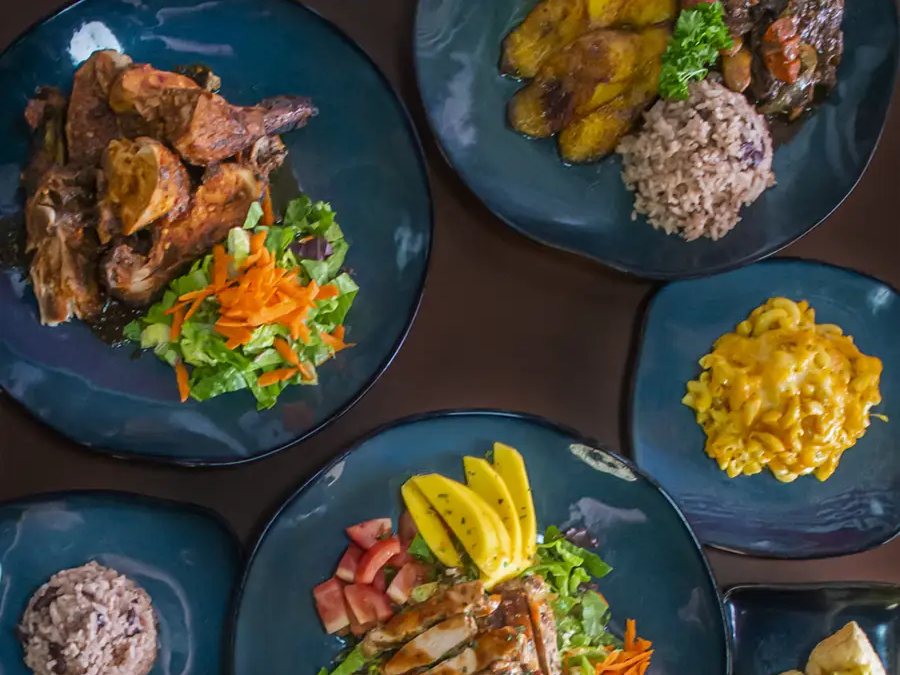
Real Jamaican food does not begin with a recipe card. It begins with memory, smell, timing, and restraint. It lives in the crackle of scallion hitting hot oil, the earthy scent of thyme bruised between your fingers, the smoke from pimento wood drifting over a jerk pan, and the patience required to let a pot settle into itself. If you rush it, flatten it, or sweeten it to please everyone, you lose the point.
That is the first thing many cooks miss when they set out to make Jamaican food at home. They chase the headline flavors, the heat, the color, the famous dishes, but not the logic underneath them. Jamaican cooking is not random abundance. It is balance built from bold ingredients. It is practical, deeply regional, shaped by African, Indigenous, European, Indian, and Chinese influences, and sharpened by generations of home cooks who knew how to make every pot count.
When people https://collingqep179.talesignal.com/posts/jamaican-food-recipes-that-are-easy-flavorful-and-fun talk about authenticity, the conversation often goes off course. Real Jamaican food is not a museum piece, and no single household cooks exactly the same way. One family’s brown stew chicken leans sweeter from caramelized browning sauce, another keeps it sharper with tomato and pepper. One cook puts more allspice in curry goat, another lets turmeric and fresh aromatics lead. There is room for variation. What matters is whether the dish still tastes grounded, whether the seasoning reaches the bone, whether the texture is right, and whether the cook understands why each step is there.
Flavor starts before the stove
The soul of Jamaican cooking is seasoning. Not seasoning as a last-minute sprinkle, but seasoning as a process. Meats are washed and rubbed. Fish is treated with acid and salt. Green seasoning is pounded, chopped, or blended. Time does some of the work, and heat finishes it.
Walk into a Jamaican kitchen where dinner is serious and you will usually smell preparation long before cooking begins. Garlic, scallion, onion, thyme, Scotch bonnet, ginger, allspice, and black pepper show up again and again, but never as a thoughtless pile. The ratios matter. Scotch bonnet should bring fruity fire, not blind aggression. Thyme should taste herbal and clean, not dusty. Allspice, called pimento in Jamaica, should add warmth that sits in the background until the second bite. Browning should deepen the pot, not make it bitter.
This is where judgment comes in. A younger chicken can take seasoning quickly. Goat needs more time and more pressure, either from long braising or a pressure cooker, to absorb flavor and become tender. Saltfish needs soaking and simmering to shed enough salt while still keeping its character. Ackee must be handled gently once cooked, or it loses its delicate, buttery texture and turns to mash.
A lot of home cooks outside the Caribbean season timidly because they are afraid of overdoing it. Jamaican food punishes hesitation more often than enthusiasm. Underseasoned curry goat tastes flat no matter how long you cook it. Weak jerk marinade gives you roasted chicken with ambition, not jerk. On the other hand, there is a line. Too much dried seasoning muddies the fresh aromatics. Too much bottled sauce can leave a chemical sweetness. A good cook learns to layer, then stop.
The ingredients that carry the cuisine
There are fashionable substitutions for almost everything now, but real Jamaican food still depends on a small circle of ingredients that shape its identity. If you cook this cuisine often, these are worth keeping on hand:
- Scotch bonnet peppers
- Fresh thyme and scallions
- Allspice berries or ground pimento
- Jamaican curry powder and browning
- Coconut milk, dried beans, and rice
That short list is not the whole pantry, but it explains a lot. Scotch bonnet is not just heat. It has a fruity, almost floral note that red chili flakes cannot imitate. Jamaican curry powder is usually more mellow and aromatic than some South Asian blends, with a warmer balance that suits goat, chicken, and vegetables without overpowering them. Allspice gives jerk, stews, and some baked goods their unmistakable depth. Browning adds color and bittersweet complexity to stewed dishes when used carefully.
Then there are the staples that make meals feel complete. Rice and peas, usually made with kidney beans or gungo peas depending on the season and household, is not a side dish in the casual sense. It anchors the plate. Fried plantain, boiled green banana, yam, dumpling, festival, bammy, and breadfruit all play different roles depending on the meal. Jamaican cooking understands starch as structure, not filler.
Why technique matters more than novelty
Many cuisines can tolerate improvisation from the first minute. Jamaican cooking often asks you to honor sequence. If you burn the sugar in browning, the whole pot can carry bitterness. If you crowd the meat and skip the browning stage, you lose the depth that makes brown stew taste complete. If you let coconut milk boil too hard in rice and peas, it can split and leave the grains greasy instead of plush.
Take curry goat. A lot of people think the trick is simply adding curry powder. It is not. The curry should be cooked in oil at the start so the raw spice smell disappears and the aromatics bloom. The meat needs time to sit with green seasoning. The pot needs enough moisture to braise, but not so much that it becomes a thin yellow soup. The finished dish should taste rounded, with gravy that clings to the rice and meat that yields without falling apart into strings.
Or take escovitch fish. At its best, it is an elegant study in contrast. The fish is fried until the skin is crisp and the flesh stays moist. Then it is dressed with a sharp, hot pickle of vinegar, onion, carrot, bell pepper, pimento berries, and Scotch bonnet. The vegetables should still have life. If they turn limp and overcooked, the dish loses its snap. If the fish sits too long and the skin softens completely, you miss that first brittle bite that makes escovitch so satisfying.
Good Jamaican cooking is full of these little crossroads. Each one looks minor. Together they decide whether a dish tastes homemade in the best sense or merely assembled.
Jerk is a method, not just a flavor
No dish gets flattened more than jerk. It is now a global shorthand, printed on chips, sauces, wings, and sandwiches that often have little to do with the tradition. Real jerk is older, more exacting, and more atmospheric than that.
At its core, jerk relies on seasoning, smoke, and controlled heat. The seasoning usually includes Scotch bonnet, scallion, thyme, allspice, ginger, garlic, and salt, often with soy sauce or vinegar in modern home versions, and sometimes cinnamon or nutmeg in smaller amounts. The meat, commonly chicken or pork, is marinated thoroughly. Then it is cooked slowly over pimento wood or charcoal, often covered so the smoke circulates and the fat renders gradually.
The result should not taste merely spicy. It should taste smoky, warm, herbal, slightly sweet from the meat itself, and alive with pepper. The exterior may char in spots, but char is not the same as burn. You want a crust that carries smoke and seasoning while the inside stays juicy.
Home cooks without a drum pan or pimento wood can still make respectable jerk, but they need to accept the trade-off. An oven can deliver tenderness and some caramelization. A grill can bring fire and smoke. A little allspice wood, if you can get it, helps. Liquid smoke, used heavily, rarely does. The best compromise I have seen in ordinary home kitchens is a two-stage cook: start covered to build tenderness, finish hotter to darken the outside, and serve with extra pan juices or a spoon of reduced marinade that has been boiled safely. It is not street-side jerk in Boston Bay, but it respects the structure of the dish.
The quiet discipline of rice and peas
People outside Jamaica often underestimate rice and peas because it appears on the plate so often. That is a mistake. It is one of the clearest tests of a cook’s hand.
Done properly, the rice should be separate but not dry, fragrant with thyme, scallion, and coconut, seasoned enough to stand on its own but not so aggressive that it competes with the main dish. The peas should be tender, not blown apart. The pot should smell rich and savory, not sweet like dessert coconut rice.
Small choices matter here. Fresh coconut milk gives a cleaner flavor than some canned brands, though good canned milk can work very well. The bean cooking liquid, if pleasant and not muddy, adds body and depth. The type of rice changes timing and water absorption. Long grain is common because it cooks up fluffy and distinct, which suits the meal.
One common error is making the rice too wet. Another is adding too much coconut milk and too little salt, leaving the dish rich but dull. The best rice and peas has a savory backbone. It supports oxtail gravy, curry, fried fish, or stew without disappearing under them.
Breakfast tells you a lot about a cuisine
If you want to understand Jamaican food beyond restaurant favorites, pay attention to breakfast. This is where the practical intelligence of the cuisine really shows.
Ackee and saltfish is the national dish for good reason. It is subtle, savory, and textural. Properly prepared ackee is soft and creamy, almost like very delicate scrambled egg in appearance, though the taste is its own. Saltfish brings chew, salinity, and depth. Tomato, onion, scallion, thyme, black pepper, and Scotch bonnet complete the picture. The dish should look bright and feel light on the fork even though it is deeply satisfying.
Then there are sides that define the rhythm of the meal: fried dumplings with crisp edges and a soft center, roasted breadfruit with a smoky crust, boiled green banana, yam, or callaloo cooked until silky but still fresh. Porridges made from cornmeal, peanut, oats, or plantain carry another side of the tradition, one built on thrift, nourishment, and routine.
A strong Jamaican breakfast does not feel decorative. It feels capable. It prepares you for work, school, travel, or heat. That practicality runs throughout the cuisine.
Stew, soup, and the patient pot
There is a certain authority in a Jamaican pot that has been allowed to develop slowly. Soups and stews are where that authority becomes obvious.
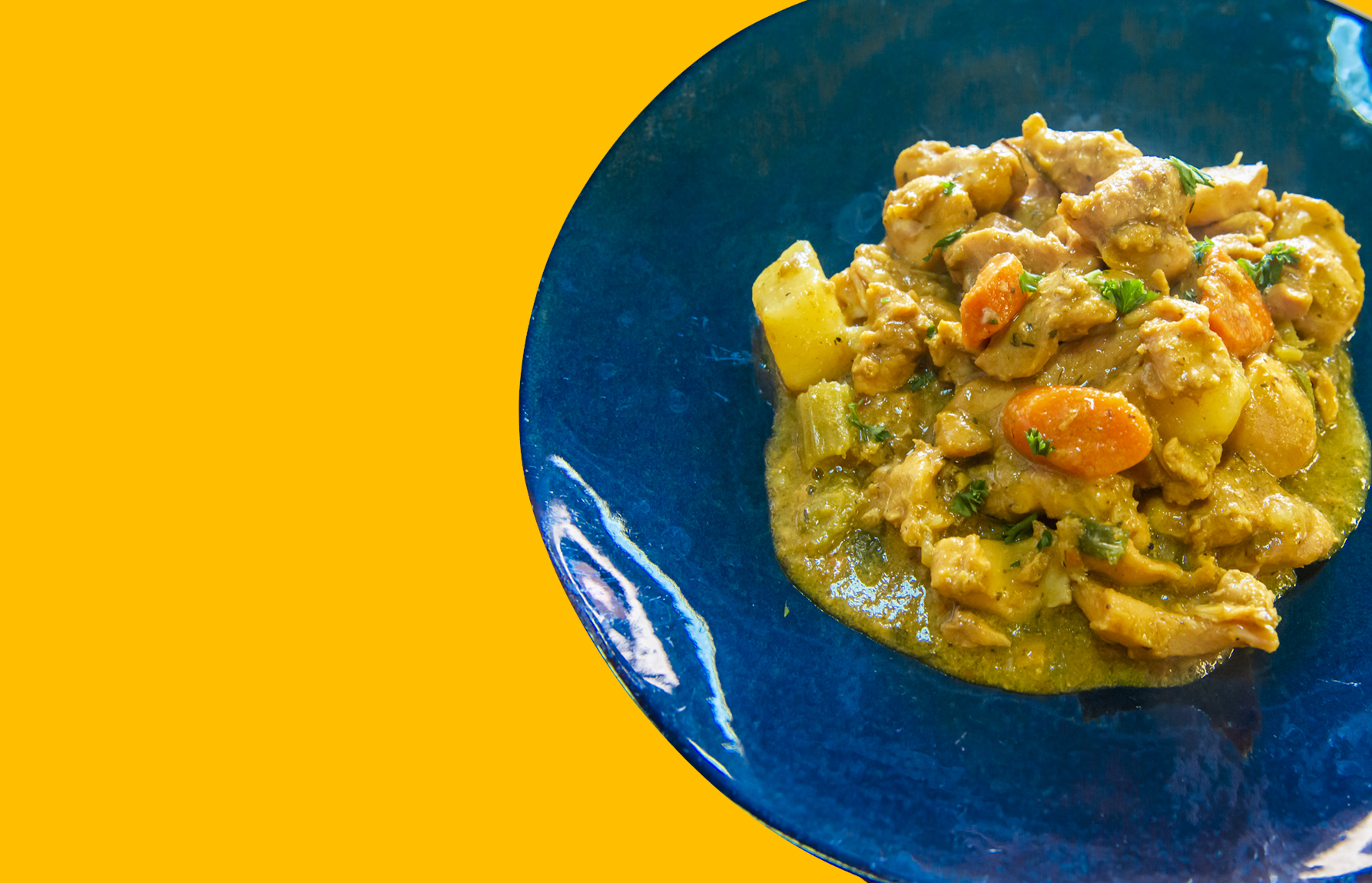
Brown stew chicken succeeds when the chicken is seasoned deeply, lightly fried or browned, then simmered with onion, tomato, pepper, thyme, and enough liquid to create a glossy sauce. The sweetness should come from the vegetables and browning working together, not from dumping in sugar. The chicken should hold its shape. If it falls apart completely, the stew can still taste good, but it loses the firmness that makes it satisfying over rice.
Oxtail is another lesson in patience. For years it was treated as a humble cut, valued because skilled cooks could turn something bony and stubborn into luxury. That transformation still depends on time. The meat must soften until it almost slips from the bone, and the gravy must thicken naturally from collagen, not just cornstarch. Broad beans often appear toward the end, adding creaminess and contrast. A good oxtail dish tastes dark, concentrated, and complete.
Jamaican soups carry their own culture. Saturday soup, whether made with chicken, red peas, cow cod, or another base, is less a recipe than a ritual in many homes. Dumplings, yam, pumpkin, carrots, cho cho, and spinners turn the pot into a full meal. The soup should feel restorative and filling, yet still bright from herbs and pepper. It is food that asks people to gather and wait.
The role of heat, and when not to chase it
People who are new to Jamaican food often fixate on Scotch bonnet peppers as if every dish must deliver a dare. That misses the finesse of how heat is used.
Scotch bonnet can be chopped in for direct impact, but it can also be left whole in a pot to perfume a dish without making it unbearably hot. This is common in rice and peas and some soups. The pepper gives off flavor gradually. If the skin stays intact, the cook has control. Once it bursts, the heat moves fast.
That distinction matters, especially when cooking for mixed tables. You can make a pot taste unmistakably Jamaican without turning it punitive. In fact, some dishes suffer when the pepper overwhelms everything else. Ackee and saltfish needs brightness, not aggression. Escovitch should be sharp, but still allow the fish to speak. Even jerk, for all its reputation, is not supposed to erase the flavor of the meat.
Experienced cooks know another truth: pepper changes over time. A dish that tastes moderate straight off the stove may become hotter after resting. Marinated meat can absorb more fire than expected. This is one of those edge cases that separates cooking from recipe following. You have to taste, pause, and think about where the dish will be in an hour, not only where it is now.
What gets lost when shortcuts take over
Every cuisine changes, and shortcuts are not automatically wrong. Pressure cookers save time and often improve weeknight cooking. Blenders make green seasoning easier. Good store-bought stock can help when a pot needs support. But some shortcuts hollow out Jamaican food in predictable ways.
Pre-mixed jerk sauces often lean too sweet or too acidic. Generic curry powders can taste dusty or one-note. Boneless, skinless chicken breast dries out in dishes designed around darker, fattier cuts. Canned ackee can be excellent when treated carefully, but rough stirring ruins it quickly. Browning sauce helps, but it cannot replace actual browning of meat when a dish depends on that savory foundation.
The larger issue is not convenience itself. It is when convenience erases craft. A pot of stew made without proper seasoning, without time for the onions and thyme to soften into the gravy, without attention to the final salt balance, may still be edible. It just will not carry the emotional weight of real Jamaican food.
That emotional weight matters. These dishes are tied to Sunday dinners, market mornings, roadside jerk stops, beach fish fry stalls, school lunches, and family arguments over whose rice is better. You can taste whether someone cooked with that lineage in mind, even if they are making the meal thousands of miles from Kingston, Montego Bay, Port Antonio, or Clarendon.
Cooking Jamaican food outside Jamaica
Diaspora cooking always involves adaptation. Produce differs. Meat is cut differently. Breadfruit may be frozen, not fresh. Callaloo may be replaced with spinach or amaranth greens. Pimento wood may be unavailable. Saltfish brands vary in intensity. These are real constraints, and good cooks adapt without pretending the substitutes are identical.
The trick is knowing where substitution is acceptable and where it costs too much. Habanero can stand in for Scotch bonnet if necessary, though the flavor is not exactly the same. Canned coconut milk is a practical staple. Good thyme travels well across borders. Allspice is essential enough that it is worth seeking out rather than omitting. If you cannot find goat, lamb can carry a curry in a related direction, but it will taste different and cook differently.
What matters most is preserving the dish’s internal logic. If you make rice and peas, let it still be savory, coconut-rich, and herb-scented. If you make jerk in the oven, build in smoke and char where you can, and do not turn it into sugary barbecue. If you cook patties, pay attention to the crust as much as the filling. The point is not rigid imitation. The point is respect informed by understanding.
Where the art really lives
The art of cooking real Jamaican food lives in decisions that rarely get photographed. How fine to chop the scallion. When to bruise the thyme. Whether the goat needs another half hour. How dark to let the chicken catch before adding liquid. Whether the pepper should be split or left whole. How much salt the salted cod still carries after soaking. When to turn off the flame and let the pot rest.
These are not glamorous choices, but they define the meal. They are why two cooks can use nearly the same ingredients and arrive at results that feel worlds apart. One plate tastes loud but shallow. The other tastes settled, confident, complete.
That is why Jamaican food is so rewarding to learn. It is generous, vivid, and accessible in spirit, but it also asks the cook to pay attention. It rewards patience, memory, and a willingness to taste as you go. Once you begin to understand that rhythm, the food opens up. You stop chasing a generic idea of Caribbean flavor and start building dishes with backbone.
When that happens, the cuisine stops feeling exotic or performative. It becomes what it has always been in Jamaican homes: practical food, celebratory food, healing food, and food with unmistakable character. A plate of curry goat with rice and peas, a piece of escovitch fish, a breakfast of ackee and saltfish, or a Sunday bowl of soup all carry the same message. Cook boldly, season honestly, and let the pot tell the truth.
Reggae Pot Jamaican Grill
2243 S Monaco St Pkwy #104
Denver, CO 80222
+1 720-410-2956
FAQ About jamaican food
What is the best Jamaican food to try in Denver?
The best choice depends on your tastes. Popular options include jerk chicken, curry goat, slow-cooked oxtail, and savory patties. Reggae Pot lists these dishes on its menu, with sides such as rice and peas and plantains. Ask the Denver team about current availability and spice levels.
Is Jamaican food very spicy in Denver?
Heat varies by dish and preparation. Jerk seasoning often includes scotch bonnet peppers alongside herbs and allspice, while other dishes may have gentler seasoning. Ask about the heat of the specific dish and any sauce before ordering.
What are some popular Jamaican snacks?
Jamaican patties are a popular snack made with flaky pastry and savory meat or vegetable fillings. Other options include fried dumplings and festival, a sweet fried dough often served with savory dishes. Availability varies, so check the current menu when ordering.