The Story Behind a Beloved Local Pie Shop
@archervlux644
October 23, 2026 · 16 min read
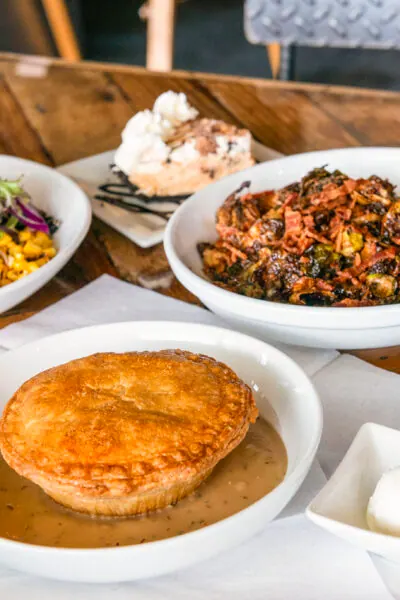

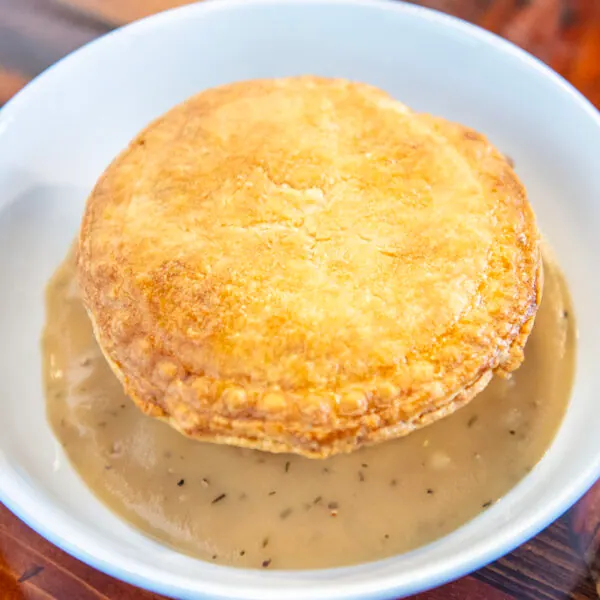
Every town seems to have one place that people talk about with unusual warmth. Not just approval, and not only nostalgia, but real affection. It is the place people point out to visitors, the place former residents stop at on the way in from the airport, the place grandparents mention when they want to explain how a neighborhood used to feel. In many communities, that role belongs to a diner or a bakery. In this one, it belongs to a pie shop.
The story behind a beloved local pie shop is rarely only about butter, flour, and fruit. It is usually a story about timing, stubbornness, and the quiet discipline of showing up before sunrise for years on end. It is a story about making something perishable in a culture that often prefers convenience, and doing it well enough that people begin to build rituals around it. The most cherished shops do not become institutions through branding alone. They earn that standing one pie, one conversation, one holiday season at a time.
What makes a pie shop beloved is not just the product, though the product has to be excellent. It is the accumulation of very specific choices that customers can feel, even if they cannot always name them. The crust is rolled by hand because machine handling changes the flake. The apples are sliced to a particular thickness because too thin turns them to mush, too thick leaves the filling uneven. The display case is never overloaded because a shop that tries to look abundant at all costs usually sacrifices freshness. These decisions look small from the outside. Inside a bakery kitchen, they are the difference between a place people like and a place they trust.
Where shops like this usually begin
Most successful local pie shops start with less romance than people imagine. They are often born from necessity rather than a grand lifestyle dream. Someone loses a job, inherits a family recipe, takes over a struggling bakery lease, or realizes that the farmers market line for their fruit pies is longer every Saturday. There is usually a leap involved, but it is not a reckless leap. It is the kind made by someone who has already tested demand the hard way.
That matters, because baking for family and baking for the public are two different professions. A home baker can spend all afternoon fussing over one perfect lattice. A shop owner has to produce consistent pies in volume, in changing weather, with ingredient costs moving every month and customers expecting the peach pie in July to taste as good as it did last July. Romance may get the doors open. Systems keep them open.
A typical founding story goes something like this. The future owner spends years baking for church suppers, school fundraisers, office birthdays, or a weekend market stall. Their lemon meringue gets requested by name. A local café asks to carry two pies on Fridays. Then four. Then every day. At some point, the baker sees what many talented cooks resist seeing for too long: this is no longer a hobby with applause attached. It is a business waiting to be built.
Even then, opening a pie shop is an odd choice on paper. Pies are labor-intensive. They take space. They do not have the sky-high margins of coffee drinks or the daily velocity of sandwich shops. Fruit prices swing. Holiday demand can be exhilarating one week and punishing the next. A pie shop succeeds only if the owner understands that they are not selling dessert alone. They are selling reliability, comfort, and a kind of edible memory.
The first years are usually harder than customers ever realize
If you talk to owners of long-running shops, the early years rarely sound charming. They sound cold, expensive, and exhausting. Refrigeration breaks at the wrong time. Crust shrinks unexpectedly in a humid week. A supplier delivers underripe berries the day before a special order. Payroll arrives regardless of whether the rain kept people home all afternoon.
The public sees the front counter, the pretty case, the hand-lettered signs. The owner sees waste percentages, oven hot spots, and the difference between a profitable Tuesday and a dead one. This is especially true for pie, because pie has nowhere to hide. A croissant can impress with volume. A cake can rely on decoration. A pie is exposed by design. If the crust is tough, customers know. If the filling is too sweet, they know that too.
One of the less glamorous truths about a respected pie shop is that affection from the community often arrives later than memory suggests. People tend to remember a local favorite as though it was beloved from the beginning. Usually it was not. Usually it earned loyalty after months or years of being a little better than expected, then reliably better than expected, then essential.
That progression depends on consistency more than novelty. A business can get attention with a salted honey chess pie or a bourbon pecan variation. It keeps customers with a dependable apple pie that tastes like itself every single time. Shops that last learn where to experiment and where to stay almost conservative. Too much reinvention can unsettle a loyal audience. Too little can make a bakery feel static. The skill is in knowing which classics are sacred and which seasonal ideas deserve a trial run.
Recipes matter, but process matters more
When people talk about a legendary pie shop, they often focus on recipes. They ask whether the crust uses lard, butter, or shortening. They speculate about cinnamon ratios, citrus zest, blind baking times, and whether the caramelization in the pecan pie comes from brown sugar or dark syrup. Those details matter, but they are not usually the whole secret.
The better question is how the shop works.
In strong pie operations, dough is treated almost like a living material. It is mixed just enough, never bullied. Resting time is not optional. Scrap dough is managed carefully because re-rolling can quickly produce a dense, grayish crust that bakes up flat and tired. Fruit is assessed batch by batch, not simply by recipe card. A tart blackberry harvest gets a little more sugar. A juicy peach week may require more thickener or a longer vented bake. A baker with judgment is worth more than a binder full of formulas.
That is one reason family recipes can fail when transferred straight into retail production. A cherished recipe built for two pies in a cool home kitchen may behave poorly when scaled to forty in a commercial space. The proportions hold, but the timing changes. The dough warms faster. The filling settles differently. The owner who succeeds is not always the one with the oldest recipe. It is often the one who understands adaptation without losing character.
Customers sense that level of care, even if they do not phrase it in technical terms. They say the crust tastes clean. They say the cherries still taste like cherries. They notice that the custard slices neatly but does not feel rubbery. In food businesses, skill often reaches the public in the form of simple confidence. Nothing shouts. Nothing feels overworked. The pie arrives exactly as it should.
The front counter is part of the product
A beloved pie shop is never only a kitchen. The room itself carries a share of the story. The smell helps, of course. Warm butter and baked fruit will forgive a lot of design mistakes. Still, atmosphere is usually built through modest, practical choices rather than theatrical ones.
The best shops feel legible. People know where to queue, where to order coffee, where to wait for a whole pie, where to look for the chalkboard listing what sold out. The display case is tidy. The labels are clear. Staff know how to answer questions without making customers feel rushed or foolish. That last point is larger than it sounds.
Pie attracts sentiment. A customer is often not buying dessert in the abstract. They are buying banana cream because it was their father's favorite, or chicken pot pie because a neighbor just had surgery, or pecan because Thanksgiving would feel wrong without it. When staff understand that, the exchange changes. Hospitality stops being a script and becomes actual service.
You can often tell when a pie shop has grown into local affection because the staff have become part of people's mental map of the place. The woman who remembers to box apple and cherry separately because the family argues about cross-flavors. The teenager who started on dish duty and now runs morning prep with quiet competence. The owner who still works the register on Saturdays during peach season because they want to hear what regulars are saying. Those details are not fluff. They are operating strengths disguised as warmth.
Why some pies become local legends
Not every pie earns a reputation beyond the neighborhood. The ones that do tend to have a clear identity. They are not generic examples of a category. They are particular.
Maybe the apple pie uses a firm blend of varieties, with enough tartness to stay bright after baking. Maybe the key lime filling cuts cleanly and avoids the gummy texture that plagues lesser versions. Maybe the coconut cream has toasted flakes with actual flavor rather than sweetened filler. A good pie can satisfy. A memorable pie has a point of view.
In my experience, local legends usually emerge in one of five ways:
- A signature pie becomes inseparable from the shop, like a deep-dish apple with a rough sugar crust or a chocolate chess pie with a nearly brownie-like center.
- The shop masters a difficult classic that many places do poorly, such as lemon meringue that never weeps or a flaky double-crust berry pie that holds its shape.
- Seasonality is handled with restraint, so strawberry rhubarb appears only when the fruit is right and pumpkin tastes better in November because it is not available year-round.
- Savory pies provide a second reason to visit, especially at lunch, widening the customer base beyond dessert buyers.
- Holiday execution stays strong under pressure, which is rarer than most customers realize.
That last factor deserves respect. Plenty of good bakeries collapse under holiday volume. The ovens get overbooked, pickup times slide, and quality suffers exactly when people care most. A pie shop that remains calm and accurate in the week before Thanksgiving builds loyalty that advertising cannot buy.
The economics are tighter than the charm suggests
People often underestimate how delicate the business model of a pie shop can be. Fruit is costly and variable. Dairy and eggs swing in price. Butter alone can rewrite margins in a difficult year. Labor is substantial because so much of the work resists automation without a quality drop. Rent does not care whether cherry season was weak.
That is why beloved shops make disciplined decisions that some customers misread at first. They limit daily flavors instead of offering everything at once. They stop taking last-minute holiday orders. They price whole pies higher than a casual shopper expects. They close one day a week to preserve staff sanity and kitchen maintenance. From the inside, these are not signs of indifference. They are signs that the business understands its own limits.
A healthy pie shop knows that scarcity can be useful when it is honest. Selling out is not ideal every day, but baking far beyond demand is worse. Waste can erase profit shockingly fast in bakery operations. The challenge is to land in that narrow space where the case feels generous but not reckless.
Owners also have to decide how much of the business should rest on nostalgia and how much should move with changing tastes. Gluten-free crusts, less-sweet fruit fillings, vegan options, smaller personal pies, online preorders, and strong coffee service can all expand the audience. Each one also adds complexity. Extra dough types require storage and process control. More digital ordering creates administrative load. A shop that says yes to everything can lose the clarity that made it special.
The wisest operators choose additions that align with their strengths. If the crust is the house signature, they will protect that standard first. If the lunch crowd is growing, they may invest in savory pies with the same care as fruit pies rather than chasing trendy pastries. Good businesses are defined as much by what they decline as by what they offer.
How a pie shop becomes woven into local life
The moment a pie shop crosses from successful business to beloved institution is hard to pinpoint, but you can see the evidence. It appears in ordinary habits. Teachers stop by on Fridays. Contractors pick up hand pies before job sites. Families order the same three pies every Christmas without checking the menu. People who moved away ask neighbors to freeze one and bring it when they visit.
A pie shop also becomes a stage for small town and neighborhood life. First jobs happen there. Engagement news is shared across the counter. Sympathy pies are ordered after funerals and delivered after surgeries. A shop owner learns which regular drinks decaf, whose daughter went off to college, which elderly customer needs their box tied with extra twine because of arthritis in the hands.
These are not sentimental side notes. They explain why some businesses survive rough seasons. Community attachment has real economic value, but it cannot be manufactured on demand. It grows from repetition and mutual recognition. People support places where they feel seen, and where the product gives them a dependable way to care for others.
Many of the most rooted pie shops extend that bond beyond the register. They donate to school raffles, show up at harvest festivals, source from nearby orchards when possible, and hire locally. None of this guarantees success. Plenty of generous businesses fail because the books do not work. Still, when a shop combines strong operations with genuine civic presence, it gains resilience. Customers stop thinking of it as just a place to buy dessert. It becomes part of how the town understands itself.
The tension between tradition and survival
Beloved businesses often face a quiet problem once their reputation is secure. Customers want them to stay exactly as they remember, while the reality of running the shop keeps changing. Ingredient costs rise. Staff expectations shift. Equipment ages. The owner gets older too.
This is where many local institutions falter, not because quality drops overnight, but because they cannot navigate change without damaging trust. A beloved pie shop may need to raise prices after years of resisting. It may shorten hours because overnight baking is burning through staff. It may renovate a cramped front counter that regulars considered part of the charm. Every adjustment risks sounding, to someone, like the place is losing its soul.
In practice, survival usually depends on making these changes before crisis forces uglier ones. A new oven is expensive, but an unreliable old one can destroy far more in waste and inconsistency. Better point-of-sale software may feel less quaint, but it can reduce pickup errors during holiday rushes. A clearer preorder policy may disappoint procrastinators while saving the team from impossible demand.
Owners who manage this well tend to communicate plainly. They explain what is changing and why. They do not wrap simple business decisions in marketing language. Customers are often more understanding than owners fear, especially when the quality remains intact. People can accept a higher price for pie more easily than they can accept a smaller, sloppier pie sold with forced cheerfulness.
What people are really buying
At face value, customers come into a pie shop for dessert, lunch, coffee, or a whole pie for a family table. At a deeper level, they are buying reassurance. They want proof that some skills still require hands, that some traditions can survive modern pressure without becoming museum pieces, and that not everything good has to scale endlessly to matter.
There is also a practical pleasure to pie that should not be overlooked. Pie is shareable. It turns one purchase into a small event. It travels reasonably well, holds meaning across generations, and fits many moments without demanding ceremony. Cake is often for celebration. Pie is for celebration, yes, but also for apology, gratitude, welcome, comfort, https://titusoivv701.publishlane.com/posts/the-art-of-baking-at-a-traditional-pie-shop and habit. That range helps explain why a pie shop can become central to a community in a way more fashionable concepts often do not.
A beloved local pie shop is usually built by someone who understands both the tenderness and the rigor of that role. They know sentiment helps, but sentiment alone does not laminate dough or manage payroll or keep peach filling from turning watery in August. They know every lovely story told about their shop rests on hours of repetitive, unglamorous work that most customers never see.
And yet that hidden work is exactly what gives the story its weight. The reason people line up before Thanksgiving, detour on road trips, or insist that visitors try one slice before leaving town is not merely because the pie tastes good. It is because the shop has done something harder than making pastry. It has become reliable in public. It has created a place where quality, memory, and neighborhood life meet in a form simple enough to carry home in a box.
That is the real story behind a beloved local pie shop. It is not a fairy tale about a perfect recipe. It is a long record of good judgment, physical labor, hospitality, and restraint. It is a business that kept choosing care when shortcuts were available. And over time, through thousands of ordinary transactions, that care became visible, then familiar, then loved.
3.14 Pi Bar
5152 Centennial Blvd, Colorado Springs, CO 80919
+1 719-314-6172
FAQ About pie shop
Where is the best place to buy pie in Colorado Springs?
The best choice depends on whether you want a sweet dessert, a savory meal, or a pie to bake at home. 3.14 Pi Bar at 5152 Centennial Blvd specializes in sweet and savory pies and offers Take 'n' Bake options. Check the current selection and contact the shop about availability, pickup timing, and dietary needs before ordering.
Who makes the best pot pies in Colorado Springs, CO?
Preferences vary by filling, crust, and portion size. 3.14 Pi Bar offers hearty savory pot pies alongside its sweet pies. Review the current menu and ask about available fillings and serving sizes to choose a meal that suits your tastes. Specific varieties may change.
Who has the best apple pie in Colorado Springs?
Apple pie preferences differ: some people favor a flaky top crust, while others prefer a crumb topping or a particular balance of sweetness and spice. 3.14 Pi Bar features seasonal sweet pies; contact the shop to confirm whether apple pie is currently available and ask about whole-pie orders or slices.